Blue Origin conducted its first test flight of its large new rocket, the New Glenn, on January 16th, sending a prototype satellite into orbit thousands of miles above Earth. Despite multiple delays in this historic launch experience, it marks an important step for Blue Origin in the orbital launch market, laying the foundation for future deep space exploration. According to GeekWire, this two-stage rocket was launched from Launch Pad 36 at Cape Canaveral Space Force Base in Florida at 2:03 AM Eastern Time on the 16th (11:03 PM Pacific Time on the 15th). The Blue Origin employees who watched the launch cheered. After separation at all levels, the first stage booster of the "New Glenn" rocket autonomously descends, with the goal of landing on a barge hundreds of miles away from the coast. The booster nicknamed 'So You told me there's still a chance' deviated from its target. We did indeed lose the booster, "said launch commentator Ariane Cornell. But the landing of the booster is an additional task and is not considered a necessary condition for the success of the mission.
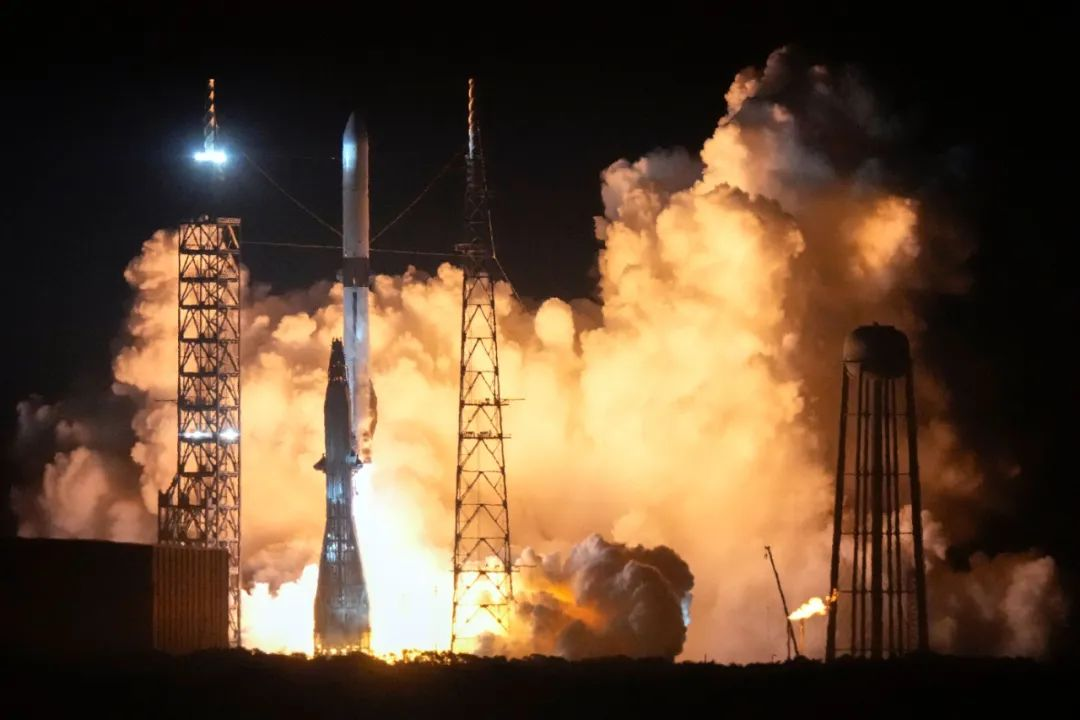
The experimental satellite launched this time will stay in orbit to test its operational performance in the space environment. The second stage rocket is placed in a high and remote orbit to reduce the generation of space debris, in compliance with relevant regulations of the National Aeronautics and Space Administration (NASA). The launch mission is called NG-1, and its main objective is to test the communication and control systems of the multi mission space maneuvering platform "Blue Ring" being developed by Blue Origin. For Blue Origin, headquartered in Kent, Washington, and Bezos, the success of NG-1 is expected to pave the way for a range of applications supported by Blue Origin, from satellite constellations to lunar missions to commercial space stations. Bezos said at the DealBook Summit in December last year, "We need to reduce the cost of entering space... that's the significance of our orbiter, the New Glenn." The New Glenn rocket is one of a series of large rockets launched in recent years, along with the United Launch Alliance's Vulcan rocket, Europe's Ariane 6 rocket, and NASA's space launch system. SpaceX's Starship, with a length of 400 feet (approximately 123 meters), has become the largest rocket currently available and is expected to conduct another test flight soon. Blue Origin plans to complete six to eight launch missions of the "New Glenn" rocket this year, with the next launch expected in spring. This launch also demonstrated the capability of Blue Origin's reconstructed Cape Canaveral Launch Pad 36. The launch pad is only 9 miles (about 14 kilometers) away from the Blue Origin rocket factory and control center, and is adjacent to NASA's Kennedy Space Center. Bezos believes that the field of space exploration will accommodate multiple winners and emphasizes the importance of industry cooperation. He said, "We are ushering in a new era where space exploration will become more widespread and efficient
