
TikTok CEO Zhou Funded Plans to Attend Trump's Inaugural Ceremony
According to The Wall Street Journal, TikTok CEO Shou Chew will attend the inauguration ceremony of President elect Donald Trump on January 20th, and advisers to the new president are studying plans to delay the TikTok ban. This means that TikTok is expected to continue operating in the United States.
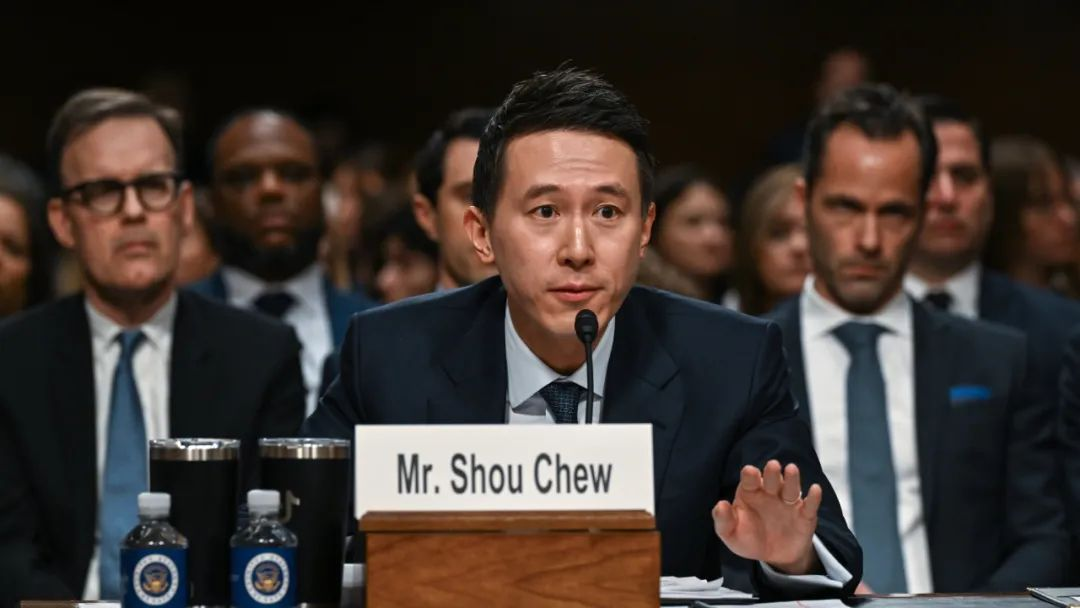
According to insiders, Zhou Shouzi is expected to sit with many prominent guests of the elected president during Trump's inauguration speech, including billionaire and Trump advisor Elon Musk, Amazon CEO Jeff Bezos, Google CEO Sundar Pichai, Apple CEO Tim Cook, OpenAI CEO Sam Altman, and TikTok competitor Meta's CEO Mark Zuckerberg. This high-profile attendance not only demonstrates the tech industry's warm welcome to the new president, but also highlights Trump's significant shift in stance towards TikTok. During his first term, Trump attempted to expel TikTok from the United States, but in recent years, he has gradually become interested in it. With only a few days left until the planned ban and Trump's inauguration ceremony, the situation is rapidly changing, and TikTok's fate seems to have reached a turning point.
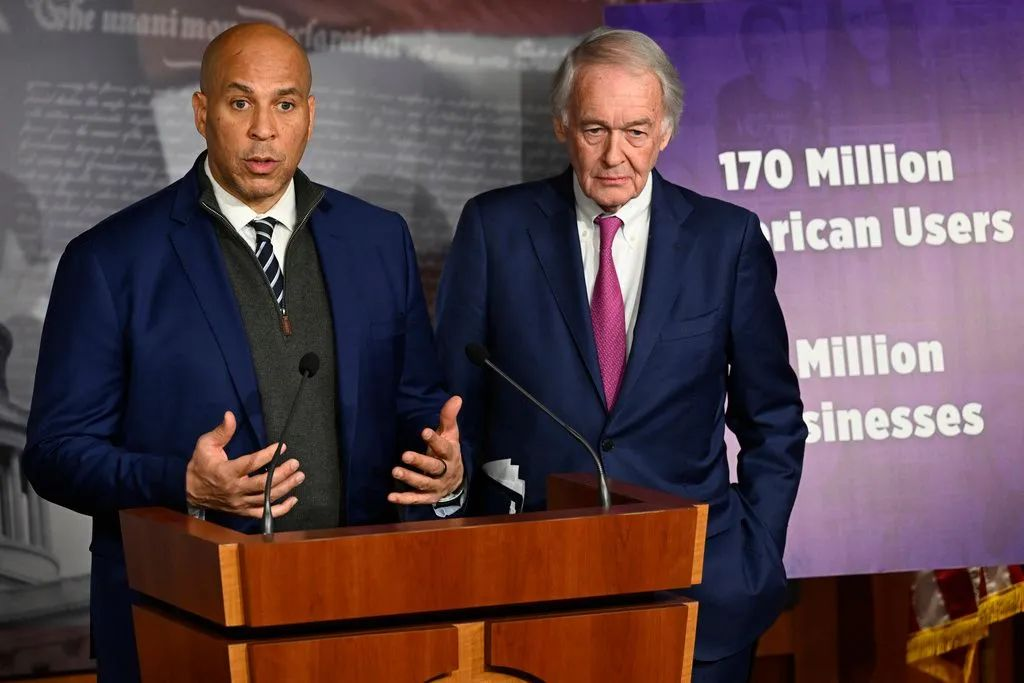
On January 16th, Democratic Senator Booker (left) discussed his support for Senator Markey's (right) proposal to postpone the TikTok ban bill at a press conference held at the Washington Capitol. (Image source: Associated Press)
According to a law passed last year with the broad support of both parties in Congress and signed by President Joe Biden, TikTok's parent company ByteDance must divest its business in the United States before January 19, or TikTok will be banned in the United States. Trump will take office on the 20th, one day later than the deadline. According to sources involved in the discussion, Trump's advisers are reviewing the ban to find a way to extend the deadline by 60 to 90 days. Florida Republican Congressman Mike Waltz, nominated by Trump, leads the National Security Council. In an interview with Fox News on the 16th, he stated that Trump's team plans to take measures to prevent TikTok from being banned. Karoline Leavitt, spokesperson for Trump's transition affairs, said, "President Trump has repeatedly expressed his desire to save TikTok, and there is no better matchmaker than Donald Trump." Some legal scholars have pointed out that Trump's ability to delay the ban is limited unless TikTok's parent company can make significant progress in the sale in a short period of time and reach a legally binding agreement with American companies. The Supreme Court is weighing whether the law is constitutional, and last week it seemed inclined to uphold the ban. According to a source familiar with the matter, TikTok plans to shut down in the United States in the early hours of the 19th unless the Supreme Court intervenes or the Biden administration takes some last-minute action to formally delay the implementation of the law. If the operation is not stopped, partners (including software giant Oracle) providing services for the application in the United States may still face legal risks. But if Trump lifts the ban through an executive order after arriving at the White House on the second day of his inauguration, this interruption may be brief. In Congress, voices supporting and opposing TikTok are constantly emerging. Some lawmakers attempted to push for a bill to extend the TikTok spin off period, but were obstructed by hardliners. Arkansas Republican Senator Tom Cotton insists that TikTok's existence poses a threat to US national security and therefore opposes any proposal to extend the divestment period. Democratic Senate Minority Leader Chuck Schumer has called for cooperation with the Trump administration to seek solutions that protect the livelihoods of content creators. According to informed sources, Zhou Shouzi plans to attend multiple official events during the inauguration ceremony, including exchanges with members of the Trump Cabinet, Vice President elect JD Vance, and others. This series of arrangements indicates that TikTok is attempting to seek more favorable development space by leveraging the new political landscape.